
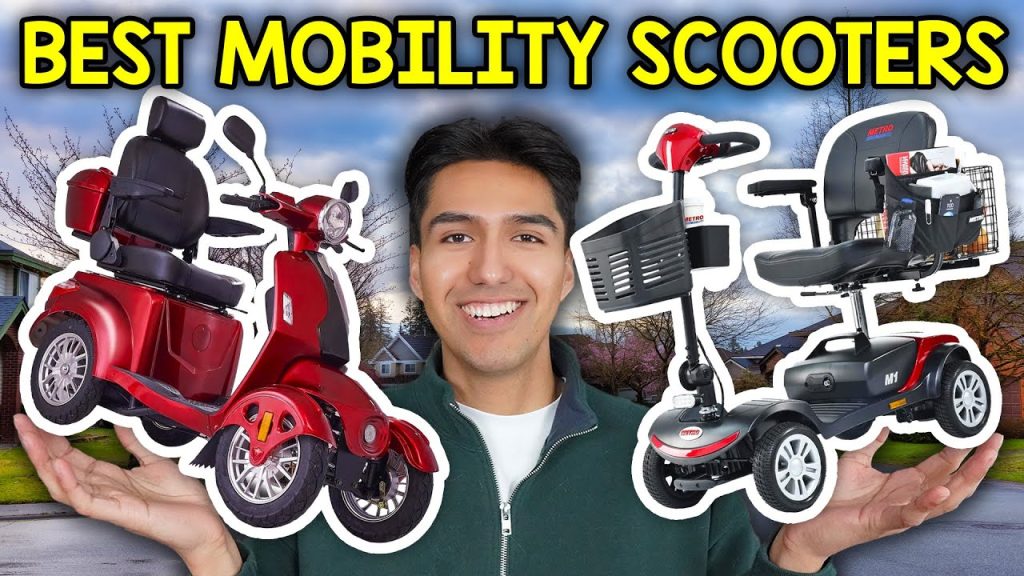
In “Best Mobility Scooters 2025 – WATCH THIS Before Buying,” The Chris Review walks you through the top scooter picks for 2025, highlighting models like the Green Transporter Q Runner and the Green Transporter Cheeta Ninja. You’ll get concise comparisons, performance highlights, and clear recommendations so you can see which options suit your needs best.
The video includes an affiliate disclosure, so if you click a product link the creator may receive a small commission that helps support future content. Use the rankings and buying tips to narrow your choices and find the scooter that fits your lifestyle and budget.

Best Mobility Scooters 2025 – Top Picks and Recommendations
This roundup helps you narrow down the overwhelming choices so you can find a scooter that fits your lifestyle, budget, and body. You’ll get clear recommendations for everyday use, travel, heavy-duty needs, and more, plus the reasoning behind each pick so you can decide with confidence.
Overall best scooter for most users
For most people, the ideal scooter balances range, comfort, durability, and ease of use. You’ll want a model that feels stable indoors, can handle curb cuts and light outdoor paths, and has a comfortable seat for longer outings. The overall best choice typically has mid-range speed, reliable lithium batteries, adjustable seating, and user-friendly controls so you can use it daily without frequent trips to service.
Best value for money
Value means you get solid performance and useful features without paying for expensive extras you won’t use. If you want dependable range, reasonable ground clearance, and a comfortable seat at a modest price, focus on models with good warranty coverage and replaceable batteries. These scooters often come with basic suspension and a robust tiller while avoiding luxury seating or heavy-duty motors that add cost.
Best travel and portable scooter
If you travel frequently or use public transport, you’ll appreciate a travel scooter that’s lightweight, folds or breaks down into manageable pieces, and fits in a car trunk or plane cargo (subject to airline battery rules). You should prioritize total weight, single-piece weights, and how quickly it assembles and disassembles. Portability should not compromise essential safety and stability.
Best heavy-duty and long-range model
When you need to carry larger weights or travel long distances without recharging, heavy-duty scooters deliver higher weight capacities (often 350–500+ lbs), larger battery packs, and more powerful motors. These scooters usually have wider seats, stronger suspensions, and higher ground clearance. If you spend long days out, plan to choose models with extra range and durable components.
Best budget option
Budget scooters give you basic mobility at the lowest cost. You’ll trade off top speed, premium seating, and range, but you can still get a safe, reliable scooter for short trips and indoor use. Check warranty terms and availability of replacement parts to avoid surprises later.
Best premium and comfort-oriented scooter
Premium models focus on ride comfort, higher-end seats (captain’s seats, heated or ventilated options in some markets), advanced suspension, and refined controls. You’ll pay more, but you’ll get superior ride smoothness, ergonomics, and higher attention to detail—ideal if comfort and long outings are priorities.
Best scooter for outdoor and rough terrain
For rough terrain and off-road use choose scooters with larger pneumatic tires, higher ground clearance, full suspension, and more powerful motors. These models handle grass, gravel, uneven sidewalks, and trails better than urban-focused scooters. You should still be cautious on very rough or steep terrain—these are not ATVs.
How these picks were selected and tested
You deserve transparency about how recommendations were made. Picks were selected using a combination of objective criteria (motor power, battery capacity, weight capacity, ground clearance, turning radius, seat adjustability) and subjective evaluation (ride comfort, control feel, ease of use). Testing included real-world rides on mixed terrain, repeated disassembly/reassembly for travel models, and range tests at moderate speeds and mixed load. Reliability was assessed from owner feedback and warranty terms. You should consider whether the testing conditions match your typical use, since actual range and comfort vary by weight, terrain, and speed.
Detailed Model Reviews and Shortlists
Green Transporter Q Runner 2 — detailed specs, strengths, and limitations
Green Transporter Q Runner 2 is positioned as a mid-size, all-purpose scooter that aims to balance range and portability. Typical specs you can expect: a 500–700 W brushless motor, top speed around 8–10 mph (12–16 km/h), lithium battery pack around 24–40 Ah depending on configuration, range of 20–35 miles per charge under mixed conditions, weight capacity of 300–350 lbs, and total weight in the 90–120 lb range. It usually features a comfortable captain’s seat with swivel, front and rear suspension, and 10–12 inch pneumatic tires for smoother rides.
Strengths: You’ll appreciate the mix of range and portability, a comfortable adjustable seat, and good onboard storage. The Q Runner 2’s suspension and tire size help on uneven sidewalks and light trails. It tends to disassemble into a few manageable pieces for transport and has intuitive controls.
Limitations: It isn’t the lightest travel scooter, so you may still need assistance loading it into some trunks. Its top speed and range are good for everyday use but may fall short if you need extended excursions or heavy-duty hauling. Availability of replacement parts and local service may vary by region.
Green Transporter Cheeta Ninja — detailed specs, strengths, and limitations
The Green Transporter Cheeta Ninja targets users who want a sportier, agile ride. Typical specs: a lighter frame and compact footprint, motor in the 300–500 W range, top speed about 6–8 mph (10–13 km/h), lithium battery around 15–25 Ah, range of roughly 10–20 miles, weight capacity near 250–300 lbs, and total weight under 80–90 lbs. The Cheeta Ninja often features quick-folding or tool-free disassembly, smaller wheels for tighter turning, and an emphasis on portability.
Strengths: You’ll find the Cheeta Ninja easy to transport and maneuver in tight spaces like crowded shops or public transport. Its lighter weight makes it simple to assemble and store. It’s a great match if you want a travel-first scooter without heavy-duty features.
Limitations: Smaller wheels and lighter suspension make it less suited for rough terrain. Range and weight capacity are lower than mid-size or heavy-duty models, so it’s not ideal for long outings or heavier users. The sportier design can sacrifice a bit of seat comfort for compactness.
Other top contenders from major brands with quick pros and cons
- Brand A (mid-size commuter): Pros — long range, comfortable seat, strong aftermarket support. Cons — heavier, higher price.
- Brand B (travel-focused): Pros — very light, fast disassembly, good for flights (battery dependent). Cons — limited range, smaller seat.
- Brand C (heavy-duty): Pros — high weight capacity, robust suspension, long range. Cons — large footprint, tougher to transport.
- Brand D (budget): Pros — low cost, simple to use. Cons — lead-acid batteries in some models, shorter lifespan and slower charging.
- Brand E (premium): Pros — top-tier seats, advanced suspension, refined controls. Cons — expensive, complex electronics may mean higher repair costs.
Model comparisons by category: travel, mid-size, heavy-duty
When you compare by category, look for distinct trade-offs. Travel scooters prioritize low weight and small disassembled piece weights. Mid-size scooters balance comfort and range for daily use. Heavy-duty scooters prioritize weight capacity, durability, and range for longer outings. Choose travel if you frequently load into a vehicle or fly; choose mid-size for regular errands and mixed terrain; choose heavy-duty for extended trips, higher weight needs, or rugged surfaces.
Real-world user feedback highlights for each model
Users commonly praise the Q Runner 2 for its smooth ride and balanced performance, noting good handling on sidewalks and reliable battery life for day trips. Cheeta Ninja users often highlight ease of transport and tight turning but mention the seat could be roomier for long rides. Heavy-duty scooter owners commend durability and confidence on hills but note transportation and storage challenges. Budget scooter buyers appreciate the affordability but frequently advise upgrading to lithium batteries when possible.

How to Choose the Right Mobility Scooter for You
Assessing your daily needs and typical use cases
Start by listing the places you’ll use the scooter most: indoors, neighborhood streets, parks, or travel. Consider how often you’ll go out and how long trips typically last. This helps prioritize range, portability, or comfort.
Home use versus travel and public transport considerations
For mostly home and indoor use, a compact or mid-size scooter with a tight turning radius and modest speed works best. If you use public transport or fly, focus on travel scooters with lightweight components and compatible battery types. Consider how you’ll lift or wheel the scooter—if you can’t lift heavy pieces, prioritize easier disassembly.
Range requirements and how to estimate daily mileage
Estimate your typical outing distance and add a safety margin (20–30%). Remember range depends on weight, terrain, stop-and-go, and speed. If you routinely do multiple outings per day, choose a scooter with at least 1.5–2× your estimated single-trip mileage or plan for charging access.
Weight capacity and how to match scooter capacity to user needs
Choose a scooter with a weight capacity comfortably above your body weight plus any gear you’ll carry. Exceeding weight capacity reduces range, stresses the drivetrain, and can invalidate warranties. If you’re near a model’s limit, step up to the next class.
Comfort, seat adjustment, and postural support considerations
Try seats before you buy: look for adjustable height, swivel for easy transfers, adequate width, and armrest options. If you have postural needs, consider models with more lumbar support or the option to add pressure-relief cushions. Longer rides benefit from better padding and recline options.
Budget planning and prioritizing features
Decide which features are must-haves (range, weight capacity, seat comfort) versus nice-to-haves (deluxe suspension, entertainment mounts). Budget for batteries, shipping, and potential accessories like a weather canopy or storage basket. Consider total cost of ownership: battery replacement and service are recurring costs.
When to consult a healthcare professional or therapist
If you have balance issues, complex transfers, severe posture or pain concerns, or significant medical needs, consult a healthcare professional, occupational therapist, or physiotherapist. They can advise safe transfer techniques, seat supports, and whether a scooter or a powered wheelchair better meets your needs.
Types of Mobility Scooters Explained
Travel and folding scooters: advantages and limitations
Travel scooters are lightweight and often fold or break down. Advantages: easy transport, good for occasional outings, and simpler storage. Limitations: smaller seats, shorter range, lower weight capacity, and less smooth ride on rough surfaces.
Mid-size scooters: best use cases
Mid-size scooters excel for daily errands and mixed indoor/outdoor use. They offer a balance of comfort, range, and maneuverability, with larger seats and better suspension than travel scooters. They’re ideal if you want a reliable primary scooter without extreme size or weight.
Full-size and heavy-duty scooters: who they’re for
Full-size models serve users who need higher weight capacities, extra range, and durable frames for outdoor use. They’re best for rural areas, long days out, or users who prioritize robustness over portability.
Three-wheeled versus four-wheeled scooters: stability and maneuverability differences
Three-wheeled scooters typically have a tighter turning radius, making them more maneuverable indoors, but they can be slightly less stable at speed or on inclines. Four-wheeled scooters offer more lateral stability and may feel more secure outdoors. Choose based on whether indoor agility or outdoor stability matters more to you.
Electric powertrain basics and variations across types
Most scooters use DC electric motors with controller electronics. Motor power and controller tuning affect acceleration and hill-climbing. Higher-voltage systems (48 V) often support longer range and stronger performance, while lower-voltage systems are common in travel scooters to save weight.
Specialized scooters (all-terrain, beach, bariatric)
All-terrain models add larger tires, heavier frames, and stronger motors for rough surfaces. Beach scooters use corrosion-resistant components and wide tires for sand. Bariatric models are built for higher weight capacities with reinforced frames, wide seats, and heavy-duty drivetrains.
Key Technical Features to Compare
Motor power and performance metrics to check
Check motor wattage and controller capabilities. Higher wattage helps with hill-climbing and payload. Torque and controller current limits matter more than peak wattage. Look for models with dedicated climbing specs if hills are part of your route.
Battery capacity, chemistry, and how it affects range
Battery capacity is usually listed in amp-hours (Ah) and voltage; range depends on both. Lithium batteries offer better energy density and longer life than lead-acid. Higher Ah and voltage generally equal more range, but weight and terrain influence results.
Top speed, acceleration, and legal considerations
Top speeds vary; most scooters are limited to safe speeds for pavements. Check local regulations for public space speed limits. Faster scooters use more energy, reducing range, and can require better braking and suspension.
Suspension, wheel size, and ride smoothness
Suspension and larger pneumatic tires smooth bumps and reduce vibration. If you’ll use uneven sidewalks or trails, prioritize suspension and tire diameter. Solid tires are low maintenance but harsher on rough ground.
Turning radius and maneuverability in tight spaces
Tighter turning radius helps indoors and in crowded areas. Three-wheeled scooters often excel here, but check aisle width compatibility if you’ll visit stores or ride in tight spaces.
Ground clearance and obstacle handling
Higher ground clearance helps with curbs and small obstacles. If you frequently encounter uneven surfaces or thresholds, choose a model with sufficient clearance and approach/departure angles.
Tiller and control ergonomics
The tiller should be adjustable and comfortable for your arm length and reach. Controls should be intuitive, with easy-to-read displays, simple speed control, and accessible horn and lights. Test the grip size and button placement when possible.
Battery, Charging, and Range Considerations
Understanding amp-hour (Ah) ratings and realistic range estimates
Amp-hour ratings indicate energy capacity but don’t translate directly to miles because voltage and load matter. Real-world range will be lower than manufacturer claims—expect 60–80% of ideal test figures depending on conditions and load.
Battery chemistries: lead-acid versus lithium options and trade-offs
Lead-acid batteries are cheaper upfront, heavier, and have shorter lifespans. Lithium batteries cost more but give longer life, lighter weight, faster charging, and better usable range. Consider long-term costs and replacement availability.
Charge time, fast-charging options, and practical charging routines
Charge times vary; lithium packs can recharge faster than lead-acid. Fast chargers may reduce life if used excessively. A practical routine is to top up after a long outing and avoid deep discharges to extend battery life.
How temperature and terrain affect battery performance
Cold temperatures reduce battery performance and range. Hilly or stop-start terrain drains batteries faster. Plan for reduced range in winter and on steep routes.
Carrying spare batteries or swapping options
Some scooters support quick battery swaps or carry a second pack. If you need extended range and can’t charge during the day, consider swap systems or vehicles with charging capability.
Battery maintenance, lifespan, and replacement costs
Lithium packs typically last 3–7 years depending on use; lead-acid shorter. Keep batteries charged, avoid long-term storage at full discharge, and follow manufacturer maintenance. Replacement costs vary widely—budget accordingly.
Airline and shipping restrictions for batteries
Airlines have strict rules for lithium batteries; many prohibit large-capacity batteries in checked baggage or cargo. If you plan air travel, confirm airline policies and choose batteries within permitted specifications. Shipping lithium batteries also requires compliance with regulations.

Portability, Disassembly, and Travel-Friendly Features
Foldable versus take-apart scooter designs
Foldable scooters save space but can be less sturdy; take-apart designs divide into pieces for easier lifting. Consider how easy it is to handle each piece and whether you can lift the heaviest section safely.
Total weight and component weights for lifting and trunk fit
Check both overall weight and single-piece weights. A 100 lb scooter that breaks into three pieces with the heaviest at 35 lb is more manageable than a 70 lb scooter with an irremovable 70 lb base.
Ease and speed of disassembly and reassembly
Look for tool-free connections, labeled parts, and quick-release mechanisms. Practice assembling before travel—ease of reassembly is key when you’re tired or outdoors.
Number of pieces after take-apart and storage footprint
Fewer pieces simplify reassembly; more pieces may fit into tighter trunks. Balance the number of pieces against the weight of each piece.
Compatibility with vehicle trunks and cargo spaces
Measure your trunk and match component dimensions. Don’t assume the scooter will fit—check folded dimensions and handle shapes. Some models are explicitly designed to fit compact car trunks.
Travel accessories: travel bags, wheeled carriers, and airline requirements
Consider padded travel bags for protection, wheeled carriers for moving pieces through airports, and whether the scooter’s battery meets airline rules. Accessories add convenience but also cost and weight.
Comfort, Seating, and Ergonomics
Seat types: captain seats, bench seats, swivel seats and their benefits
Captain seats offer better back support and armrests; bench seats are simpler and lighter; swivel seats ease transfers. Choose based on transfer needs, posture, and how long you’ll sit.
Seat adjustability: height, depth, recline, and armrest options
Adjustability lets you tailor seating for comfort and safe transfers. Depth and height adjustments are important for leg support and proper posture. Removable or adjustable armrests help with side transfers.
Cushioning, pressure relief, and aftermarket cushions
High-density foam and gel cushions reduce pressure points for long rides. If you have skin integrity issues, you may need medical-grade cushions—discuss with a clinician.
Tiller adjustability and control placement for comfort
An adjustable tiller prevents arm strain and lets you sit naturally. Controls should be within easy reach and intuitive to reduce cognitive load while driving.
Foot platform design and legroom
A roomy, flat foot platform reduces fatigue and allows repositioning. Make sure there’s enough room for braces or prosthetics if you use them.
Vibration and suspension features for long rides
Effective suspension reduces whole-body vibration and fatigue. If you’ll be out for hours or on rougher paths, prioritize scooters with full suspension and pneumatic tires.

Safety, Braking, Lighting, and Regulatory Compliance
Brake systems and emergency braking considerations
Most scooters use regenerative or electromagnetic brakes plus parking brakes. Test emergency stopping and ensure brakes engage reliably. Consider models with redundant braking systems for extra safety.
Anti-tip wheels, stability features, and slope safety
Anti-tip wheels help prevent backward tipping on slopes. Check manufacturer slope ratings and use caution on steep inclines—avoid routes that exceed the scooter’s specifications.
Lights, reflectors, and visibility enhancements
Front and rear lights, reflectors, and optional hazard lights increase your visibility. If you use the scooter at dawn, dusk, or night, prioritize bright lights and reflective accessories.
Mirrors, horns, and reverse alarms
Mirrors extend your awareness; a horn or bell warns pedestrians. Some scooters include reverse beeps—use these in crowded areas.
Speed limiters and programmable controls for safety
Some scooters allow speed limiting and programmable acceleration curves—useful if caregivers or venues require a capped speed for safety. Lockout functions can prevent unauthorized use.
Certifications, standards, and local legal requirements
Check regional standards for mobility aids. Certifications and testing assure certain safety and electrical standards are met. Also verify whether your scooter needs registration or insurance locally.
Conclusion
Summarize the key factors to weigh before buying
When choosing, weigh range, weight capacity, portability, seating comfort, and terrain capability. Balance these against your typical routes, transportation options, and budget.
Reinforce the importance of test rides and real-world range checks
You should always test-ride any scooter when possible and confirm real-world range under your typical load and route. Manufacturer specs are helpful but not definitive for your use.
Recommend narrowing options by use case: travel, home, outdoors, heavy-duty
Narrow your choices by primary use: travel scooters for frequent transport, mid-size for balanced daily use, outdoor/heavy-duty for rough terrain and higher weights. Align features with those use cases before comparing prices.
Advise verifying warranty, service access, and return policies
Confirm warranty coverage, battery terms, and local service options. A good warranty and accessible service network will save frustration if repairs or replacements are needed.
Final encouragement to research, compare, and choose the scooter that best matches personal mobility needs
Choosing a scooter is a personal decision—take your time, try models that match your needs, and prioritize safety and comfort. With the right information and a test ride, you’ll find a scooter that helps you regain independence and confidence in daily life.
In this video, I go over the Best Mobility Scooters for 2025.
Check it out here 👉
-
SuperHandy Passport Mobility Scooter –
-
Metro Mobility M1 –
-
Green Transporter Q Runner
-
Lagtom 4-Wheel Mobility Scooter –
-
Green Transporter Cheeta Ninja
-
Vive 4-Wheel Mobility Scooter –
Want FREE Shipping With Amazon Prime? Get a 30-DAY FREE TRIAL by signing up here 👉
DISCLAIMER: This video and description contains affiliate links, which means that if you click on one of the product links, I’ll receive a small commission. This helps support the channel and allows us to continue to make videos like this. Thank you for the support!